
Mediterranean Celebration

You have probably heard that the traditional Mediterranean lifestyle and way of eating is associated with health and longevity and has been picked year after year as the healthiest diet. Sometimes it can be hard to pin down what a traditional Mediterranean diet and lifestyle actually means, but it does have some general characteristics such as emphasising a wide variety of minimally processed local foods, eating socially, and walking a fair bit. It also celebrates the art of cooking, enjoying and savouring good food- the various cultures around the Mediterranean Sea all have a strong focus on food and flavour.
Here in Perth, we have a Mediterranean climate, a cafe culture, and plenty of immigrants and their descendants from the Mediterranean in our community. One of the things I love about the Mediterranean lifestyle and way of eating is that it is flexible and adaptable to most social situations, and we already grow all the vegetables and herbs locally, and we have access to local seafood which is a key component in moderation.
You may find you are already living a lifestyle similar to around the Mediterranean if you walk or bike ride, eat local fresh foods when you can, and love eating with friends at least sometimes. I think it’s one of the reasons Fremantle is popular.
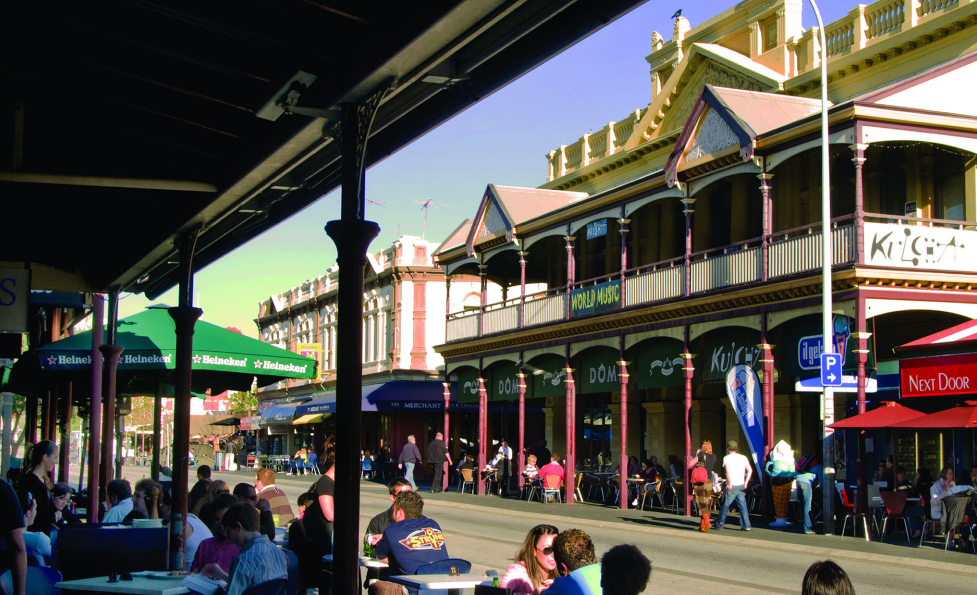
Fremantle cafe strip
Health Benefits of the Mediterranean Diet and Lifestyle
Heart Health: The Mediterranean Diet is one of the most heart-friendly ways of eating. Its emphasis on healthy fats, especially from olive oil and fish, along with nutrient-dense foods and low red meat intake, has been shown to lower LDL (bad) cholesterol and improve overall cardiovascular health. And the walking is also good for the heart.
Reduced Inflammation: The Mediterranean Diet’s focus on anti-inflammatory foods like vegetables, fruits, nuts, and omega-3-rich fish helps reduce inflammation markers in the body. Chronic inflammation is linked to numerous health problems, including arthritis, diabetes, and heart disease.
Enhanced Cognitive Function: The antioxidants, healthy fats, and omega-3s in the Mediterranean Diet support brain health and have been associated with a lower risk of cognitive decline. Studies suggest that this diet (and lifestyle including exercise and regular socialising) may reduce the risk of Alzheimer’s disease and other age-related cognitive issues.
Blood Sugar Control: Whole grains, legumes, and a balanced intake of carbs help maintain steady blood sugar levels, making this diet beneficial for those with or at risk of type 2 diabetes. The fibre content also supports satiety and reduces cravings.
Longevity: Due to its overall health benefits, the Mediterranean Diet and lifestyle is associated with increased longevity. Studies have shown that those following this diet often enjoy better health as they age and face fewer chronic diseases.
Mental health: the lifestyle around the Mediterranean is more relaxed, with time taken for daily socialising, naps, and walking. Although the food aspect is often focused on, the lifestyle may contribute to many benefits.

There are a few key components to the Mediterranean diet and lifestyle.
Healthy Fats: The Mediterranean Diet includes healthy fats from sources like olive oil, nuts, and seeds. Olive oil, a staple in Mediterranean cooking, is rich in monounsaturated fats and antioxidants, which support heart health and reduce inflammation. Other healthy fats, like those in nuts, seeds, and oily fish, provide essential fatty acids that support brain and heart function.
A Plant-based diet: that also has dairy, seafood, poultry, and a little red meat, but in lower quantities. The plants take the stage.
Fresh Fruits and Vegetables: Fruits and vegetables play a central role in this diet, providing fibre, vitamins, minerals, and antioxidants while being low in calories. Leafy greens, tomatoes, capsicum, cruciferous vegetables and berries are common components, offering a wide range of nutrients to support immune function and reduce oxidative stress.
Whole Grains: Unlike many modern diets, the Mediterranean Diet includes whole grains like barley, farro, and brown rice, which provide fiber for digestion and help maintain steady blood sugar levels. They’re less processed and retain more nutrients than refined grains, making them a better choice for long-term health.
Lean Proteins: While the Mediterranean Diet includes red meat, it’s consumed sparingly. Fish and seafood, however, are staples, especially those rich in omega-3 fatty acids, such as salmon, sardines, and mackerel. These fatty acids are anti-inflammatory and can benefit heart, brain, and joint health. Other sources of protein, like beans, lentils, cheese and yogurt, offer plant-based or fermented options that also support gut health.
Legumes are a daily part of life. These are high in fibre, plant protein, and are associated with longevity.
Herbs and Spices: Instead of relying heavily on salt, Mediterranean cooking uses a wide array of herbs and spices like basil, rosemary, garlic, parsley and oregano. These herbs not only add flavor but also contain various phytochemicals with antioxidant and anti-inflammatory properties.
Walking is a part of everyday life- walking to the shops, the markets, to friends’ homes, to restaurants.
Celebrating food as a central and joyful part of life. The food is tasty, delicious, there is a wide variety available, it is eaten seasonally, and social events usually happen around food. Even though food is given so much attention, the people who eat traditionally are also healthier, because of all the other different factors, and the fact that when food is celebrated and focused on, there is less desire to overeat.
In tune with the environment. A traditional Mediterranean diet is in balance with the area in which people live, growing the food locally and eating seasonally. In south western Australia, we have all the resources locally from market gardens growing vegetables, orchards, to dairy, pigs, sheep and chicken farms, as well as being able to grow herbs and vegetables in our backyards all year round.
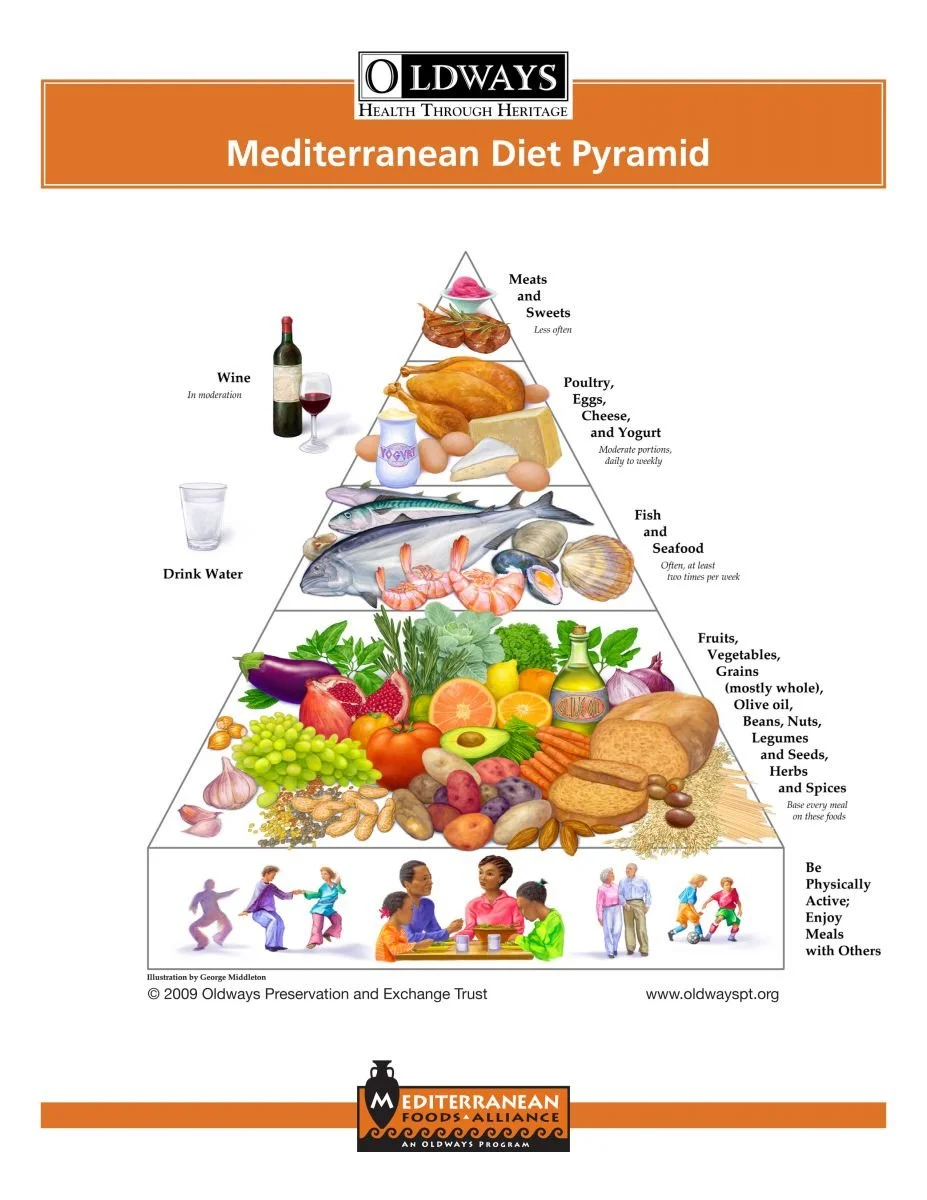
Here are a few ways to get started and make a Mediterranean Diet and Lifestyle work for you, or tweak what you might already be doing. Here in WA, which has a similar climate (hot dry summers, short wet winters) this is very appropriate and easy to do.
Swap your regular cooking oil (including coconut oil or ghee) for olive oil. We have wonderful local olive oil in WA and Australia. In the MedDiet, the official diet used in studies, it is recommended to eat 3 tbs of olive oil a day, which is more than I am used to eating, but is associated with all the heart health benefits. It is also wonderfully satiating.
Enjoy legumes more- try and eat 1 cup of cooked legumes 3x a week or even better, 1/2 - 1 cup daily. Legumes are the one food eaten by all the people in all the longest living communities in the world. Legumes are very high in fibre, which is beneficial for gut health, and they are a good way to vary your meals as there are so many types of legumes from soy, to lentils, chickpeas and all the beans.
Add more vegetables into your meals. And fruit as dessert or a snack.
Bring in seafood about 2-3x a week. It doesn’t have to be expensive- canned sardines or local sardine fillets are excellent. Servings do not have to be large.
Chicken, fish and pork are eaten in preference to red meat, which is eaten anywhere from 1x a week to 1x a month. We do have good local lamb here in SW WA.
Dairy is eaten in moderation but traditionally it is often A2-type dairy from goats and sheep, and it is more cheese and yoghurt than milk. We now have local A2 cows as well. Eggs are eaten in moderation.
Use wholegrains and experiment with different grains. Recommended 3 serves a day.
Eat a small handful of nuts a day. There is strong evidence that this is associated with longevity.
Learn to cook with herbs and spices, and try growing some herbs such as sage, thyme, oregano, parsley, coriander, dill, fennel, rosemary and basil. These can all be grown in pots and will even thrive with a bit of help, in Perth’s arid sandy soils.
Value variety, and try to avoid food ruts. Have different things for breakfast, experiment with different grains and legumes, try sheeps yoghurt, expand your culinary horizons. This makes it much more likely you will be well nourished and is associated with better gut health.
Walk or bicycle more, or garden- moving in daily life is recommended rather than an hour in the gym, then a sedentary lifestyle.
Try and eat with other people beyond your immediate family at least once a week. This is associated with better mental health.
Really celebrate and enjoy your food, sit down when you eat, and focus on tasting and enjoying the food. Avoid reading or scrolling while eating, at least for the first 10 minutes or so. This helps with appreciation and satiety.

This covers the basics and I am sure you agree this is a way of eating and a lifestyle that provides variety and joy, and is quite doable for most people. To me, it is the antithesis of an extreme diet, which is very restrictive in social settings. A Mediterranean diet does have certain flexible boundaries, but it is inclusive of many different, often locally grown foods. I love that it is also a way of life that is in touch with its own environment, so it is a more sustainable way of eating that will adapt as our climate changes and food supplies may become more strained in the future. Supporting small, environmentally aware local farms and businesses now is good for the planet and for our health.
Resources you may like to explore:
Mediterranean Women Stay Slim, Too
OldWays Mediterranean Diet Resources
The Mediterranean Dish (recipe site)